Understanding California Housing Law Violations and Mold-Related Tenant Rights
California’s housing market is one of the most complex and heavily regulated in the United States. With high demand, dense urban living, and aging apartment buildings, tenants often face serious habitability issues—one of the most dangerous being mold. When landlords fail to maintain safe living conditions, tenants may be dealing with california housing law violations that put their health and finances at risk. This article explores how mold problems intersect with housing laws, when legal action is appropriate, and how mold injury lawyers and lawyers for mold in apartment cases can help protect tenant rights.

California Housing Laws and Tenant Protections
California law requires landlords to provide and maintain habitable rental units. This means the property must be safe, sanitary, and fit for human occupation. Under the implied warranty of habitability, landlords are legally responsible for fixing conditions that threaten a tenant’s health or safety, including water leaks, poor ventilation, and mold growth.
When landlords ignore these responsibilities, tenants may be experiencing california housing law violations. These violations can include failure to repair plumbing leaks, ignoring moisture buildup, or refusing to address visible mold. Even if mold is hidden behind walls or under flooring, landlords may still be liable if they knew—or should have known—about the problem.
The Health Risks of Mold Exposure
Mold is more than just an eyesore. Prolonged exposure can cause serious health issues, especially for children, the elderly, and individuals with asthma or weakened immune systems. Common symptoms include chronic coughing, respiratory infections, skin irritation, headaches, and fatigue. In severe cases, mold exposure can lead to long-term lung damage or neurological problems.
Because of these risks, mold-related issues are often treated seriously under california housing law violations. Tenants do not need to prove that mold is toxic to take action—only that it materially affects their health or makes the unit uninhabitable.
Landlord Responsibilities in Mold Prevention
Landlords are not automatically responsible for every instance of mold, but they are obligated to prevent conditions that allow mold to grow. This includes repairing leaks, ensuring proper ventilation, and addressing water damage promptly. If a tenant reports mold or moisture issues and the landlord fails to act, liability becomes much more likely.
In many disputes, documentation is key. Photos, medical records, maintenance requests, and inspection reports can all help establish that a landlord’s neglect led to california housing law violations. This evidence is especially important if legal action becomes necessary.
When to Contact Mold Injury Lawyers
If mold exposure has caused illness or financial loss, tenants may want to consult mold injury lawyers. These legal professionals specialize in cases where mold has led to personal injury, medical expenses, lost wages, or relocation costs. They understand how to connect health impacts to housing conditions and can help build a strong case against negligent landlords.
Mold injury lawyers can also assist tenants who are facing retaliation, such as eviction threats or rent increases after reporting mold. California law strictly prohibits retaliation, and an experienced attorney can help enforce these protections.
Lawyers for Mold in Apartment Cases
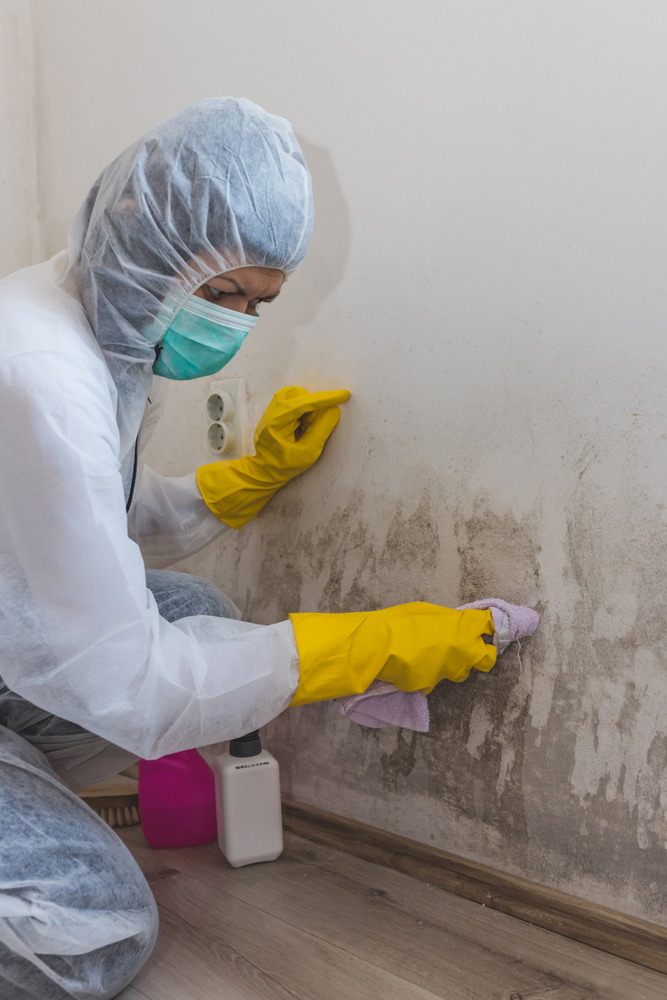
Tenants living in apartment complexes often face additional challenges. Mold may affect multiple units, and property management companies may try to minimize complaints to avoid costly repairs. In these situations, lawyers for mold in apartment cases can be especially valuable.
These lawyers understand how to handle large landlords, homeowners’ associations, and property management firms. They can determine whether a case should be filed individually or as part of a larger action involving multiple tenants. Lawyers for mold in apartment disputes also know how to work with environmental inspectors and medical experts to prove the extent of the problem.
Legal Remedies Available to Tenants
Tenants dealing with mold-related california housing law violations may have several legal options. These can include demanding repairs, withholding rent under specific legal procedures, terminating the lease without penalty, or filing a lawsuit for damages. In some cases, tenants may be entitled to compensation for medical bills, emotional distress, and property damage.
Working with mold injury lawyers or lawyers for mold in apartment cases helps ensure that tenants choose the right remedy and follow proper legal steps. Mistakes—such as withholding rent incorrectly—can weaken a case, even when the landlord is clearly at fault.
Conclusion
Mold problems in rental housing are not just inconvenient—they can be dangerous and illegal. Tenants in California are protected by strong laws that require landlords to maintain safe and habitable living conditions. When those laws are ignored, california housing law violations may give tenants the right to take legal action.
Whether you are suffering health issues or facing resistance from a landlord, experienced mold injury lawyers and lawyers for mold in apartment cases can help you understand your rights and pursue justice. Knowing the law and acting promptly can make all the difference in protecting your health, your home, and your future.


Comments
Post a Comment