Understanding How Legal Counsel Protects Renters Facing Indoor Contamination
Living in a rented home should feel safe and calm. Sadly, water leaks and hidden dampness often lead to toxic growth inside walls. When health issues start popping up, tenants usually feel stuck and confused. Landlords might ignore basic requests, making life miserable. Working with a skilled tenant mold lawyer changes everything. These legal guides help everyday folks fight for clean air, fair treatment, and safe living conditions without unnecessary stress.
Recognizing Dangerous Indoor Environmental Hazards
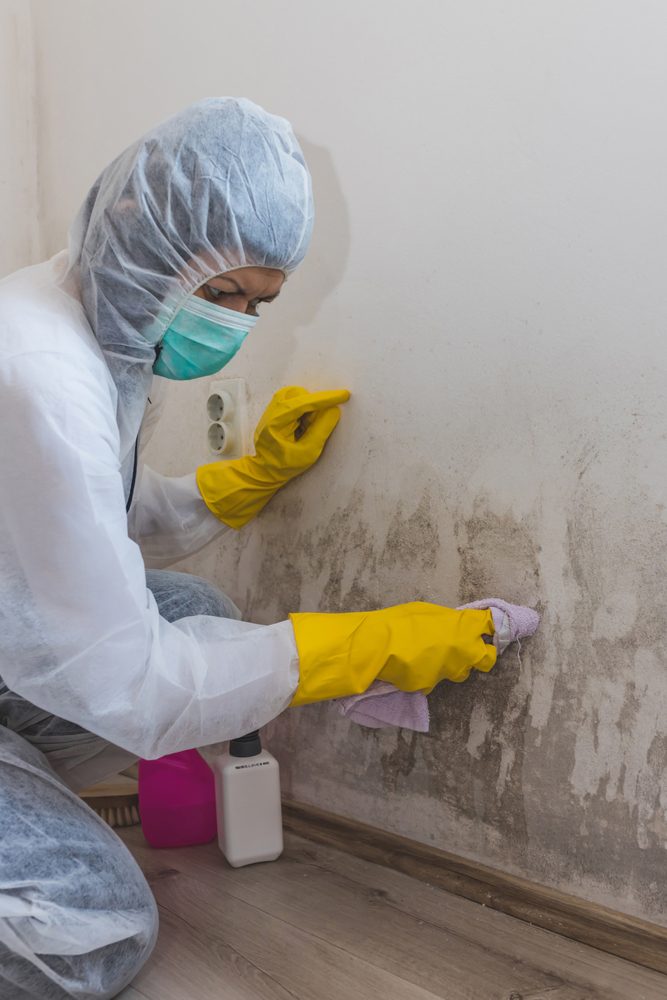
Nasty dark spots on bathroom drywall or near window frames usually signal deeper structural troubles. Spores float around quietly, causing runny noses, itchy eyes, and weird coughs that just will not clear up. Many occupants mistake these symptoms for simple seasonal allergies at first. Paying close attention to sudden water stains or funny damp smells helps you catch problems before your physical health takes a major dive.
Landlord Duties Under Local Housing Laws
Property owners must maintain clean, liveable units by law. That means fixing broken pipes, sealing roof leaks, and cleaning up damp spots fast. If a property manager delays repairs or pretends the issue is small, they breach basic housing codes. Renters do not have to accept subpar conditions. Seeking assistance from an attorney for mold in house issues helps enforce state standards and forces negligent owners to take real action.
Documenting Damage And Personal Health Issues
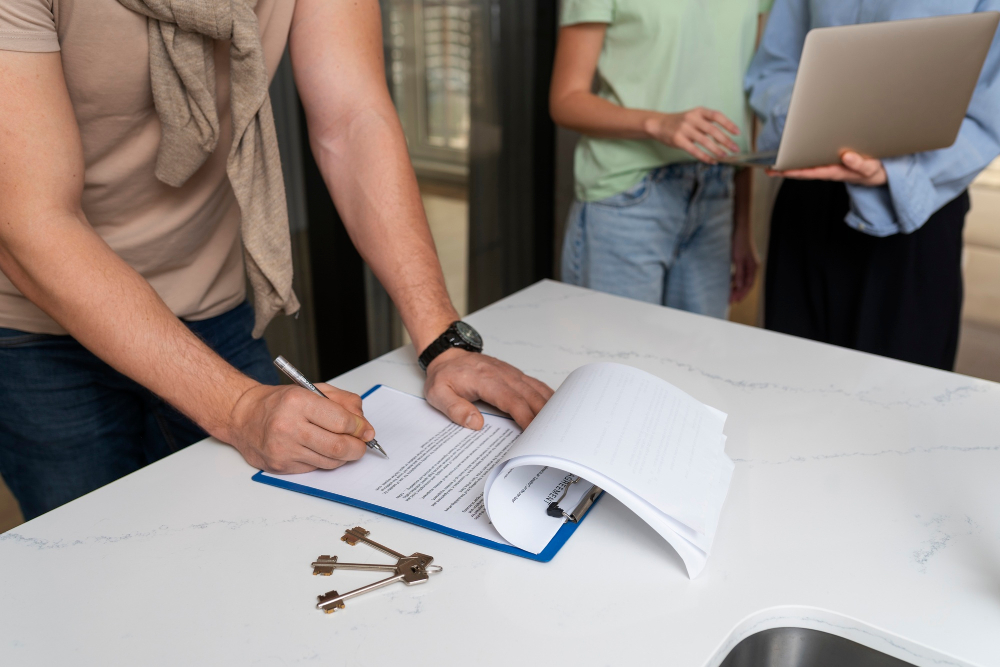
Building a solid case requires strong evidence gathered right away. Take clear photos of stained drywall, ruined furniture, and leaky fixtures. Keep a small notebook to track daily medical symptoms, doctor visits, and missed work hours. Save every text message and email sent to the property manager about these repairs. Clear records show a direct line between landlord delay and your personal losses, making your position much stronger.
Understanding Legal Compensation And Renter Rights
When toxic growth ruins personal belongings or hurts your health, financial recovery becomes vital. Victims can seek money for ruined clothes, medical bills, and temporary housing costs. Furthermore, tenants may receive refunds for rent paid while the home was unfit for living. Legal advisors review rental agreements, negotiate fair settlements, and guide affected families through complex formal claims step by step so they can move forward safely.
Taking Correct Steps Toward Resolution
Resolving living issues requires a clear, step-by-step approach. First, send a formal written notice about the issue to the landlord using certified mail. If responses are slow, report the damage to local housing inspectors for official records. Avoid withholding rent money without direct legal guidance, as doing so might trigger unwanted eviction notices. Following proper legal steps keeps your rights fully safe while pushing for quick, complete repairs.
Conclusion
Facing serious living hazards inside a rental home feels overwhelming, but clear legal rights protect everyday tenants. Taking fast action, keeping accurate notes, and getting professional help turns scary situations into manageable solutions. Property owners must keep buildings clean and safe for everyone. If you need reliable guidance on property hazards and tenant rights, visiting mehdlaw.com offers valuable insight to help protect your home, health, and peace of mind today.


Comments
Post a Comment